C++ / Qt Engineering
Control and HMI software for industrial systems — architecture, implementation, and the technical responsibility afterwards.
We build and modernise C++/Qt software for machines, measurement systems and safety-critical applications. From the architecture decision through migration to operation — in the customer's own stack, with full handover of code and knowledge.
What we work on
Legacy modernisation without a rewrite
Qt applications that have grown five to ten years of technical debt can usually be modernised step by step: introduce layers, pull business logic out of the UI, add tests, replace modules one at a time. A full rewrite is only the better choice when migration costs more than rebuilding — we check that first.
Software architecture: QML vs. Widgets, layering
Qt is an architecture framework, not a widget toolkit. Signals/slots, Model/View, the plugin system and the QML engine allow loosely coupled systems — if the layers are drawn cleanly from the start. We choose between Widgets and QML based on target hardware, regulation and team, not on looks.
Qt5 → Qt6 migration
The API migration is rarely the problem. The effort sits in the build system (qmake → CMake), in removed deprecated APIs, in third-party dependencies without a Qt6 release, and in the RHI migration where custom OpenGL code exists. We plan the migration in phases with measurable milestones.
Performance: measure before changing
Performance problems in Qt applications usually have few causes: blocking calls in the event loop, Model/View without batched updates, unnecessary copies in data paths. We profile first and change second — every optimisation is measured against a baseline.
Hardware and system integration
Serial interfaces, fieldbuses, sensors, vendor SDKs, IPC and networking: integration code decides how stable a system is in the field. We put hardware behind clear abstractions so devices stay replaceable and tests run without hardware.
Testability and CI
A testable architecture means: logic can be instantiated without the UI, hardware can be simulated, builds are reproducible. We set up unit and integration tests, static analysis and CI pipelines so regressions surface before release — including in regulated environments with evidence requirements.
Technical ownership
After go-live the responsibility stays with us: architecture decisions, reviews, releases, maintenance. What that covers is described on the Technical Ownership page.
References
Two projects where C++/Qt architecture made the difference.
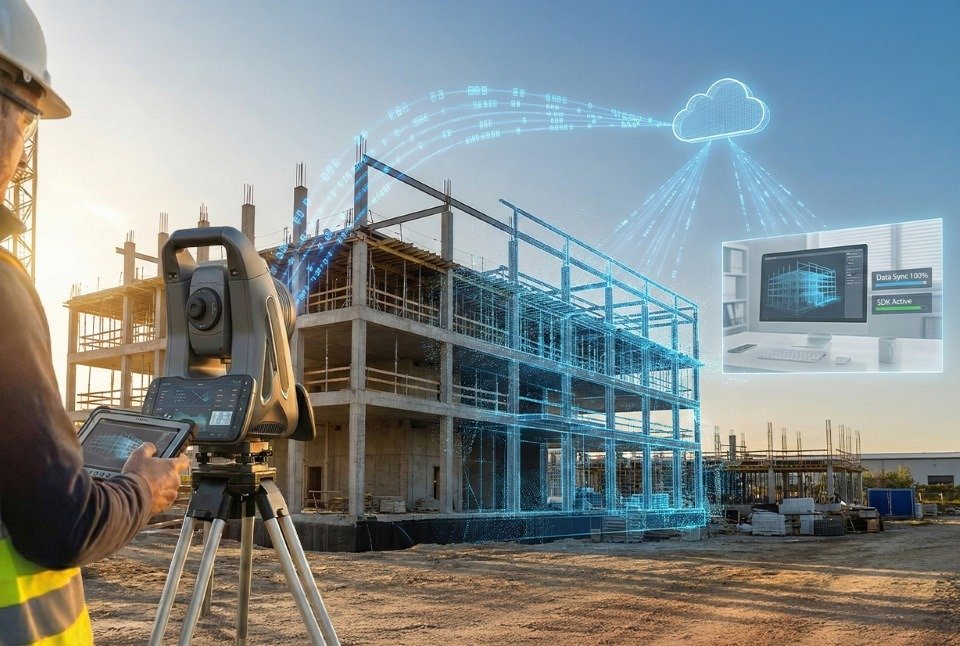
Surveying / Construction
Scalable software platform for modern surveying systems
Plugin-based platform, sync across device · cloud · office
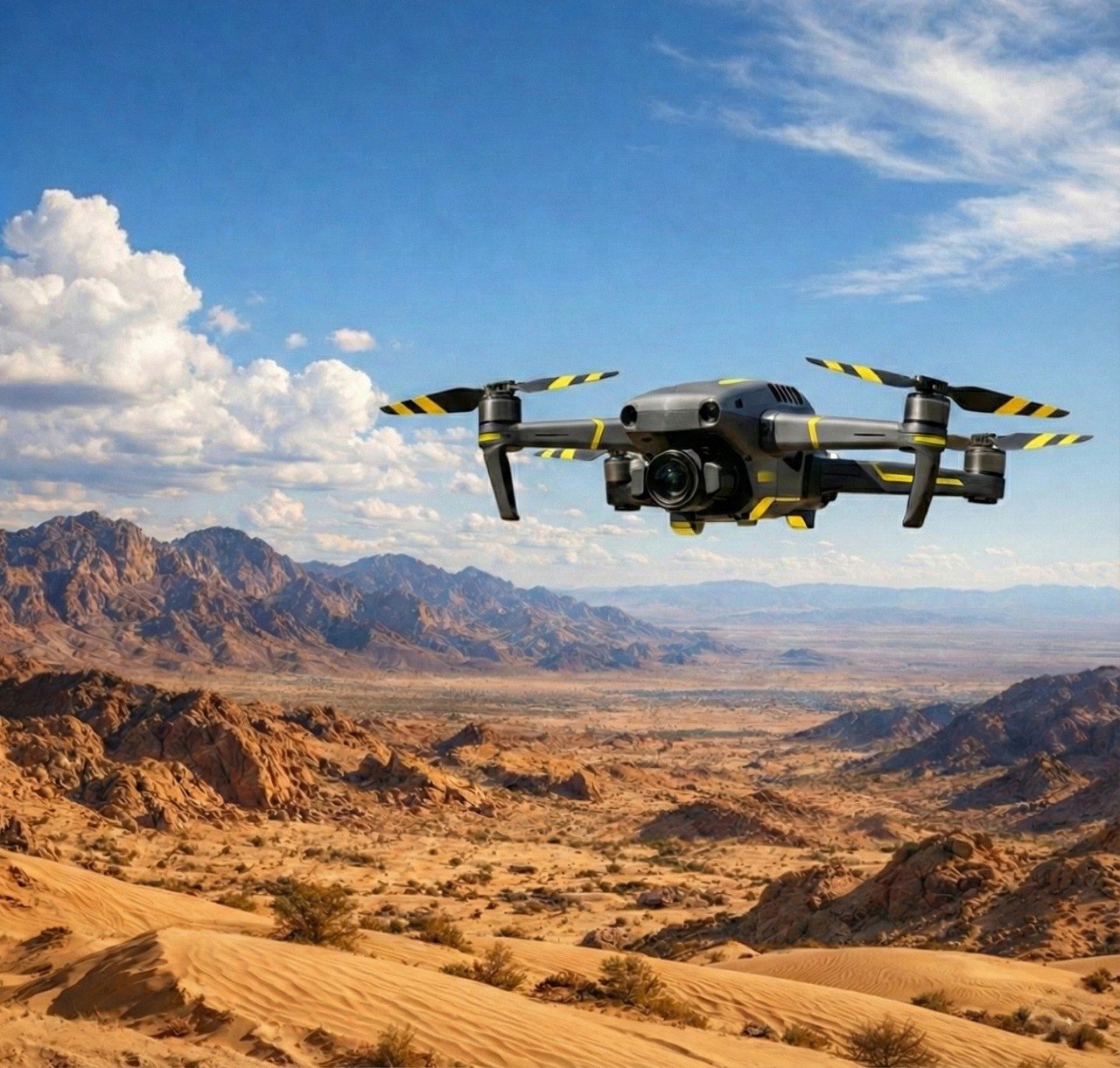
Defense
Secure and scalable software solutions for defense-critical systems
Existing systems extended, new ones built — technically production-ready in 5 months
Further reading
Migrating from Qt5 to Qt6 — what really happens
Hidden effort, phase plan, real cost and time ranges.
Software architecture with the Qt framework
Qt's architecture layers and why the first two weeks decide everything.
The 10 most important design patterns for embedded development
State machine, observer, ring buffer, RAII, watchdog — with code.
Talk to the architect
Describe your system and the current codebase. In a 30-minute call you get an honest assessment of whether and how we can help. Response within 24 hours.
Book a technical call →Talk to an engineer
No sales team. You talk directly with one of our software architects about your specific problem. 30 minutes. Response within 24 hours.
Email: info@alpitype.com
LinkedIn: AlpiType